
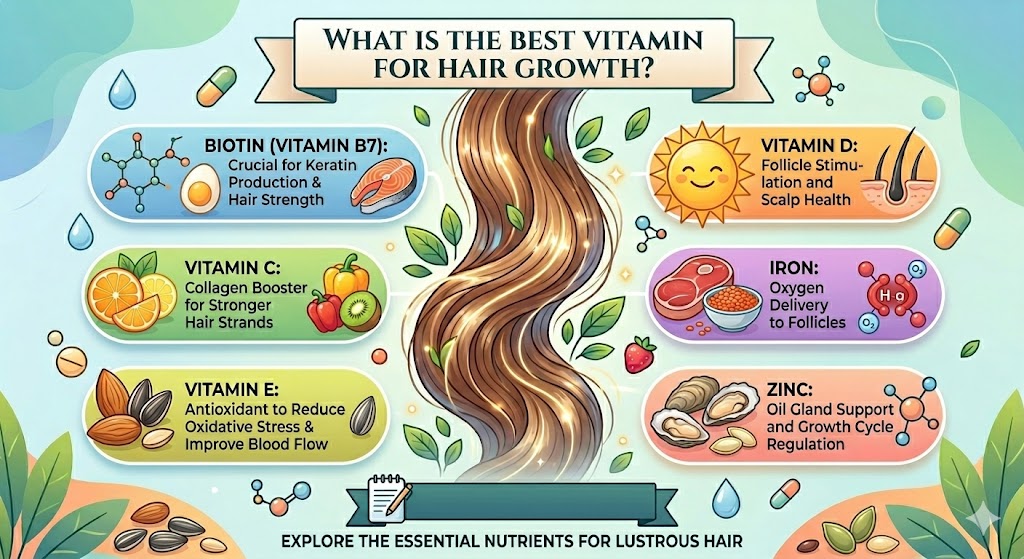
Hair growth is a concern for millions of people worldwide. Whether you are dealing with hair thinning, hair fall, or slow growth, the question often arises: What is the best vitamin for hair growth? While there is no single miracle vitamin that works for everyone, certain nutrients play a critical role in maintaining healthy, strong, and fast-growing hair.
In this comprehensive guide, we will explore the most effective vitamins for hair growth, how they work, signs of deficiencies, dietary sources, and how to choose the right supplements for your needs.
Understanding Hair Growth
Before diving into vitamins, it is important to understand how hair grows. Hair growth occurs in three main stages:
- Anagen (Growth Phase): Lasts 2–7 years; this is when hair actively grows.
- Catagen (Transition Phase): A short phase where growth slows down.
- Telogen (Resting Phase): Hair falls out, and new hair begins to grow.
Your hair health depends on nutrition, genetics, hormones, and overall lifestyle. Vitamins support the hair follicles and ensure proper functioning of the growth cycle.
What Is the Best Vitamin for Hair Growth? A Complete Guide
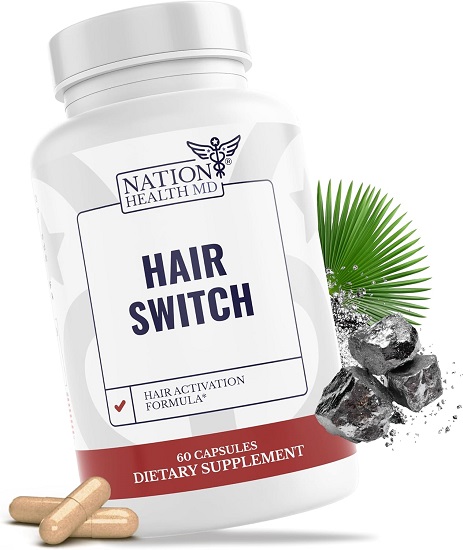
Tired of living with thinning, balding, or graying hair? Now you can help stimulate growth of thick, full, healthy hair with Hair Switch!
As you get older, certain hormones can cause your hair follicles to shrink, resulting in hair loss. In addition, oxidative stress from free radicals can lead to dullness and graying hair.
But the nutrients in Hair Switch nourish and fortify your hair, helping to restore hair volume, thickness, and shine.
Hair Switch is made from premium minerals, vitamins, and botanicals, each proven to help promote strong and healthy hair growth:
Get ready to live life to the fullest again with Hair Switch!
Why Vitamins Are Important for Hair Growth
Hair is made up of a protein called keratin. Vitamins and minerals help:
- Strengthen hair follicles
- Improve scalp health
- Prevent hair thinning
- Boost blood circulation
- Support keratin production
A deficiency in essential vitamins can lead to hair loss, dryness, brittleness, and slow growth.
Best Vitamins for Hair Growth
1. Biotin (Vitamin B7)
Biotin is often considered the most important vitamin for hair growth.
Benefits:
- Strengthens hair strands
- Promotes keratin production
- Reduces hair thinning
- Improves hair texture
Deficiency Signs:
- Hair loss
- Brittle nails
- Dry skin
Food Sources:
- Eggs
- Nuts (almonds, walnuts)
- Whole grains
- Bananas
Recommended Intake:
30–100 mcg per day (varies by age and health condition)
2. Vitamin D
Vitamin D plays a crucial role in the formation of new hair follicles.
Benefits:
- Stimulates hair follicle growth
- Prevents hair shedding
- Supports scalp health
Deficiency Signs:
- Hair thinning
- Weak immune system
- Fatigue
Food Sources:
- Sunlight exposure
- Fatty fish (salmon, tuna)
- Fortified milk
- Egg yolks
Tip:
Many people are deficient in Vitamin D, especially those who spend less time outdoors.
3. Vitamin E
Vitamin E is a powerful antioxidant that helps reduce oxidative stress.
Benefits:
- Improves blood circulation to the scalp
- Reduces hair breakage
- Enhances shine and smoothness
Food Sources:
- Sunflower seeds
- Spinach
- Almonds
- Avocados
4. Vitamin A
Vitamin A helps the scalp produce sebum, which keeps hair moisturized.
Benefits:
- Prevents dry scalp
- Promotes healthy hair growth
- Supports cell growth
Warning:
Too much Vitamin A can actually cause hair loss. Always maintain balance.
Food Sources:
- Carrots
- Sweet potatoes
- Kale
- Pumpkin
5. Vitamin C
Vitamin C helps in collagen production and improves iron absorption.
Benefits:
- Strengthens hair structure
- Reduces hair breakage
- Protects against free radicals
Food Sources:
- Oranges
- Strawberries
- Amla (Indian gooseberry)
- Lemon
6. Iron
Although not a vitamin, iron is essential for hair growth.
Benefits:
- Improves oxygen supply to hair roots
- Prevents hair fall
- Supports overall hair health
Deficiency Signs:
- Hair loss
- Fatigue
- Pale skin
Food Sources:
- Spinach
- Lentils
- Red meat
- Pumpkin seeds
7. Zinc
Zinc supports hair tissue growth and repair.
Benefits:
- Prevents hair shedding
- Supports scalp oil balance
- Boosts hair follicle strength
Food Sources:
- Chickpeas
- Seeds
- Nuts
- Whole grains
8. Omega-3 Fatty Acids
Omega-3s nourish hair and support thicker growth.
Benefits:
- Adds shine
- Reduces dryness
- Promotes a healthy scalp
Food Sources:
- Flaxseeds
- Walnuts
- Fish oil
Which Vitamin Is the Best for Hair Growth?
If you had to choose one, Biotin (Vitamin B7) is often considered the best vitamin for hair growth due to its direct role in keratin production.
However, the truth is:
Hair growth depends on a combination of vitamins, not just one.
A deficiency in any key nutrient can slow down growth or cause hair loss.
Signs You Need Hair Growth Vitamins
You may need vitamins if you notice:
- Excessive hair fall
- Slow hair growth
- Thinning hair
- Dry or brittle strands
- Dull hair appearance
Natural vs Supplements: What’s Better?
Natural Sources
Best for long-term health and fewer side effects.
Supplements
Helpful if:
- You have a deficiency
- Your diet is not balanced
- You have medical conditions
Always consult a doctor before starting supplements.
Best Diet Plan for Hair Growth
A healthy diet is the foundation of strong hair.
Include:
- Protein-rich foods (eggs, pulses)
- Green vegetables
- Fruits rich in Vitamin C
- Nuts and seeds
- Dairy products
Avoid:
- Junk food
- Excess sugar
- Crash dieting
Lifestyle Tips for Faster Hair Growth
- Stay hydrated
- Reduce stress
- Avoid heat styling
- Use mild shampoos
- Oil your hair regularly
- Sleep properly
Common Myths About Hair Growth Vitamins
Myth 1: One vitamin can fix everything
Reality: Hair health needs multiple nutrients.
Myth 2: Supplements work instantly
Reality: Results take 2–3 months.
Myth 3: More vitamins = faster growth
Reality: Overdose can cause side effects.
How Long Do Vitamins Take to Show Results?
Hair growth is a slow process.
- Initial improvement: 4–6 weeks
- Visible results: 2–3 months
- Significant growth: 4–6 months
Consistency is key.
Side Effects of Overusing Vitamins
Taking too many supplements can cause:
- Hair loss (Vitamin A overdose)
- Acne (Biotin excess)
- Digestive issues
- Toxicity
Always follow the recommended dosage.
Best Hair Growth Supplements (What to Look For)
When choosing supplements, check for:
Avoid products with unnecessary fillers.
When to See a Doctor
Consult a healthcare professional if:
- Hair loss is sudden or severe
- You have hormonal issues
- You suspect nutritional deficiency
- Hair fall continues despite diet improvements
Final Thoughts
There is no single “magic” vitamin that can instantly transform your hair. Still, nutrients like Biotin, Vitamin D, and Vitamin E play a vital role in supporting stronger, healthier, and more resilient hair over time. True hair growth is not just about supplements it depends on a well-rounded approach that includes a balanced diet, consistent hair care routine, and overall lifestyle choices. Incorporating nutrient-rich foods such as leafy greens, nuts, seeds, and protein sources helps nourish hair from within, while proper scalp care ensures a healthy environment for hair follicles to thrive. Additionally, managing stress, staying hydrated, and maintaining good sleep habits significantly contribute to reducing hair fall and promoting steady growth. Since hair growth is a gradual process, patience and consistency are essential. With the right combination of vitamins, nutrition, and care, you can achieve visible improvements in hair strength, thickness, and overall health over time.
FAQs on Vitamins for Hair Growth
1. Which vitamin is best for hair growth?
Biotin (Vitamin B7) is often considered the most effective for hair growth because it helps produce keratin, the protein that makes up hair. However, a combination of vitamins like Vitamin D, Vitamin E, and Vitamin C works best.
2. How long do vitamins take to improve hair growth?
It usually takes 2–3 months to see visible results. Hair growth is a slow process, so consistent intake of nutrients is important.
3. Can a vitamin deficiency cause hair loss?
Yes, deficiencies in vitamins such as Biotin, Vitamin D, Iron, and Zinc can lead to hair thinning, excessive shedding, and weak hair.
4. Is it better to get vitamins from food or supplements?
Getting vitamins from natural food sources is always better. Supplements should only be taken if you have a deficiency or after consulting a doctor.
5. Can taking too many vitamins cause hair loss?
Yes, excessive intake of certain vitamins, especially Vitamin A, can actually lead to hair loss and other health issues.
6. Does Vitamin D help in hair regrowth?
Yes, Vitamin D helps create new hair follicles and may improve hair regrowth, especially in people with a deficiency.
7. What foods are best for hair growth?
Foods rich in protein, vitamins, and minerals, such as eggs, spinach, nuts, seeds, fruits, and fish, are excellent for hair health.
8. Can Biotin stop hair fall completely?
Biotin can help reduce hair fall caused by deficiency, but it may not completely stop hair loss caused by genetics or hormonal issues.
9. Are hair growth supplements safe?
Most supplements are safe when taken in recommended doses. However, it’s always best to consult a healthcare professional before starting any supplement.
10. What lifestyle changes help in faster hair growth?
Maintaining a healthy diet, reducing stress, staying hydrated, getting enough sleep, and avoiding excessive heat styling can significantly improve hair growth.
Suggested
- Hair Switch – Supplements for Hair and Scalp – Biotin, Zinc, Selenium, and More – Hair Activation Formula for Men and Women
- Cognilux – Brain Supplements for Memory and Focus – Nootropic Focus Supplement with Niacin, Vitamin B6, GABA and More – Memory
- Bare Feet – Toenail Care – Nails Supplement with Vitamin A, Vitamin C, Oregano Powder and More – Nail Repair, Growth
- Bladdergenix Bladder Control Supplement for Women and Men – for Urinary Urgency and Frequency and Urinary Tract Support